
 Tanja Matić
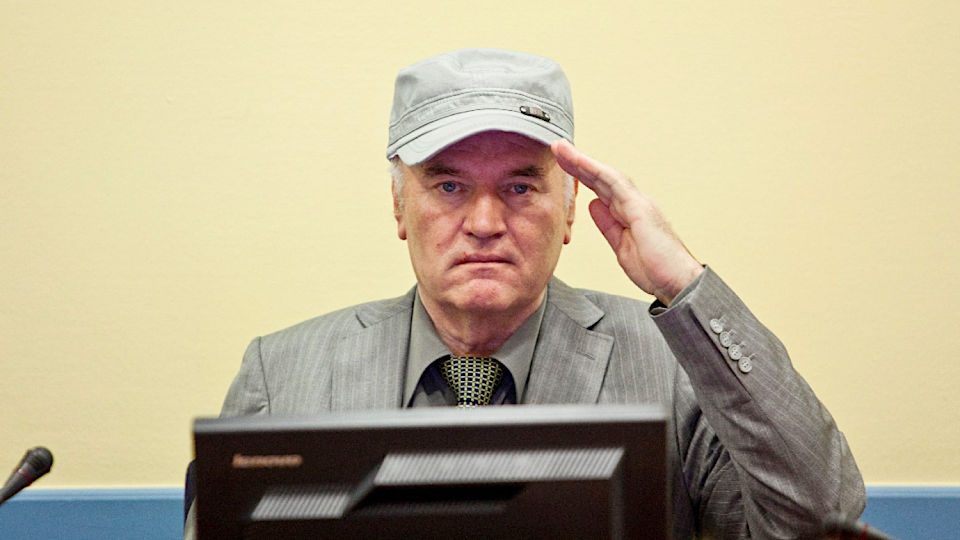
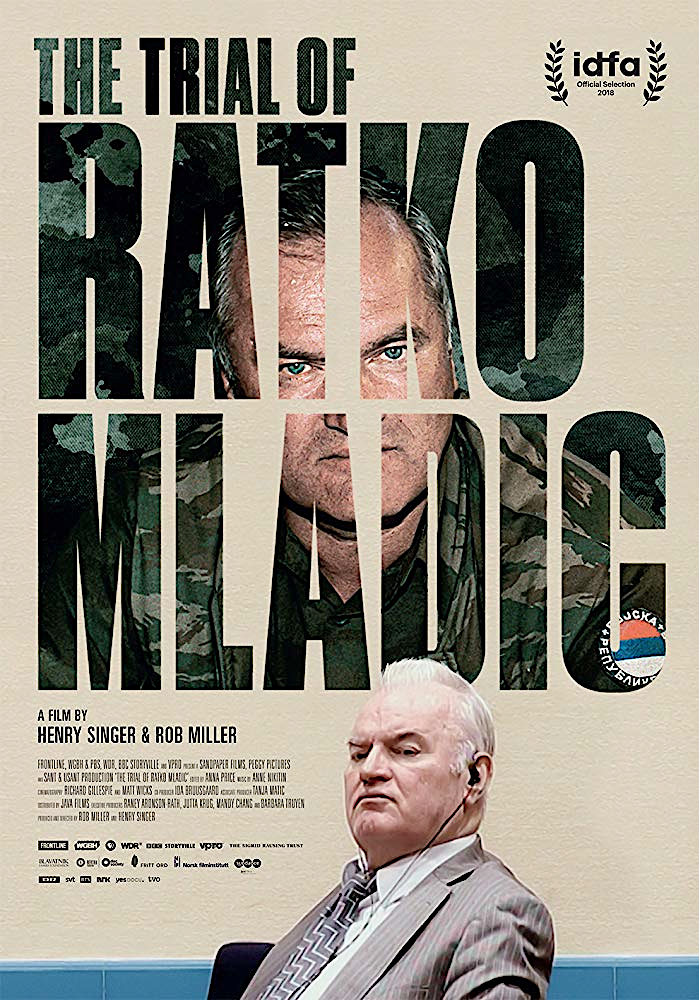
When Rob Miller and Henry Singer decided to make a film on Ratko Mladić trial in 2012, they did not anticipate to spend hours and hours in the next five years interviewing prosecutors, defenders, and witnesses after they leave the ICTY’s courtroom. More than a thousand hours of recorded material was used to prepare a documentary film - The Trial of Ratko Mladic.
The film has been screened at more than 20 film festivals around the world as well as on the BBC TV, and Belgrade audience will have a chance to see this unique documentary on May 9th, at Beldocs Film Festival. After the film, both directors will share their impressions with the audience.
Why this film?
When we started making this film, we felt we were capturing a historic moment - one of the most prominent figures of the Bosnian war - a conflict which happened in recent memory at the heart of Europe - facing his accusers after many years. As our filming progressed, we became increasingly aware of the significance of the trial for the people in the region, especially in Bosnia - an incredibly beautiful country with a tragic past that still felt very divided along ethnic lines. That division was evident in the differing perceptions of Mladic - between those groups who saw Mladic as the ultimate villain and those who revered him as the ultimate hero. We also felt that the story of the trial and the blueprint of justice it represented had a significance beyond Bosnia, with so many countries around the world convulsed by war and war crimes and with the victims of those crimes demanding justice. So the film felt historic but also hugely relevant and important to the world we live in now. As filmmakers who pride themselves in making public service films, this was a very compelling combination.
You haven’t previously covered the work of the Tribunal nor war crimes in the former Yugoslavia. How was it to work on such a complex topic you have known very little about and had no personal connections to?
I think for this film there was an advantage in not knowing too much. One of our jobs as filmmakers was to try and make the often complex legal process accessible to the general public. I think that task would have been made more difficult if we were too familiar with that process. We would have asked fewer questions and not sought the clarifications needed for someone outside the Tribunal, with no legal training or in-depth knowledge of the Bosnian war, to understand what was going on. At a very early stage, Henry Singer (my co-producer and co-director) and I decided that if we were going to make a film about a trial, then it was necessary to involve the lawyers from both the prosecution and the defence. We promised both sides that we would represent their arguments and evidence as fairly as possible and then it would be up to the judges to determine which version of events they found the most valid. If we had had personal experience of the war, even lost loved ones to it, then I think it would have been much more challenging to maintain that approach - which we hope has value and offers something different to other films that have been made about the conflict. After five years of filming, you have faced hundreds of hours of filmed footage.
How did you decide what will stay in the film and do you think you have made it simple enough for an international audience and still exciting enough for people in the Balkans?
Between our footage, the court footage supplied by the ICTY and the news archive from the time of war, we had almost a thousand hours of material with which to make a hundred-minute film. The task was mammoth - neither Henry or I had been faced with so much footage before - and it took over a year to edit the movie. Thankfully we had a very talented and patient editor in Anna Price who did an extraordinary job in helping us piece the film together. The scale of the war and the crimes in the indictment were so enormous that we realised very early on that it would be impossible to make a film which covered the entirety of the trial - it would be far too sprawling and lack focus - which is why we arrived at the decision to concentrate on the two genocide charges against Mladic, even at the expense of the Sarajevo component of the case. We then prioritised material which encapsulated an important part of the prosecution or defence case, could be made accessible to a general audience and crucially had a compelling human story at the heart of it. Irrespective of whether you’re from the region or have very little knowledge of the wars in the former Yugoslavia, no one will watch a film without a good story and engaging characters however important the process or the ideas being explored. Even then we had a lot of extremely strong material that did not make it into the film, but the editing process always involves making difficult decisions, cutting out stories and characters you love to ensure the film has a clear narrative line which your audience can understand and will want to follow.
You have got unprecedented access to the Tribunal courtroom backstage, and you have shown a human side of both prosecution and defence. How did you balance the human side of the story with the legal elements of a courtroom drama?
Although it was crucial to make the often complex legal process accessible to a broader audience, it was also important not to overwhelm the film and our audience with information. We needed to get the balance just right. Too little information and the audience wouldn’t understand what was happening but too much would detract from the emotional response we hoped they would have towards the film. It was not difficult to find the humanity of the lawyers we filmed. What was clear from the outset was that both the prosecution and defence cared passionately about their work. The prosecution was a hundred percent committed to securing justice for the victims and the defence were equally determined to exonerate their client.
Part of that exclusive access you have had was to the inner circle of Mladic’s family and friends. The film also contains very intimate moments of people who were victims of the crimes Mladic was accused or sentenced for. How did you approach working on the “two sides”?
When filming with victims it is important to exercise a strong duty of care. Talking about their experiences of the war and tremendous personal loss can be cathartic but it can also have the effect of re-traumatising a victim. It is crucial to respect what they have been through at all times, be patient and simply try to enable them to tell their story in the way they would want it to be told. We also had a duty of care to Mladic’s family - his wife, son, and grandson and had to repay the trust they placed in us when they allowed us to film. This was important as we saw trying to understand Mladic as a human being rather than just a nightmarish caricature as a crucial part of the film. We also wanted to explore why he is still held in such high esteem by large sections of the population in Serbia and the RS who completely reject the judgments handed down by the Tribunal.
Do you think the film did justice to all people portrayed? How was the film perceived by prosecutors and defence?
We certainly hope that the film does justice to the process and the people who participated. When we showed it to prosecution and defence lawyers, they all felt it was fair and balanced so that was obviously very encouraging.
For you personally, what were the biggest learnings or the most memorable moments from making this film?
I will always remember filming the start of the trial and feeling incredibly privileged that we had been given access to such a historic moment. It was also a privilege to film with some of the victims of the conflict - Bosniak and Serb - who either testified or were connected to the trial in other ways. They showed incredible courage in both coming to give evidence and allowing us to film. And I think the trial as a whole has shown me that where you find the worst of humanity, you also find the best and it’s important to cling onto the latter.
After the world premiere in the Netherlands in November 2018, you’ve visited more than 20 festivals, and the Balkans premiere will be in Belgrade on 9th of May as part of Beldocs Film Festival. What do you expect a reaction of the audience in Serbia to be?
I am sure the film will prove contentious in Serbia, but I hope people will at least watch it before forming an opinion and, after watching, they will go onto think and discuss it afterward. It would be great if they agreed with the defence lawyers that the film is fair and balanced.
Do you think your movie will start a debate in the former Yugoslavia as well? If so, what kind of a discussion you would expect it to be?
We hope that the film will encourage dialogue within communities and between different ethnic groups and will be useful in educating young people about not repeating the terrible mistakes of the past. Besides festival screenings, it was aired on BBC and PBS television.
Do you have any plans of showing the film on the stations in the former Yugoslavia or bringing it to a broader audience than festival goers?
Our intention is for the film to be seen as widely as possible across the former Yugoslavia. We do not have any firm commitments from broadcasters at the moment, but we hope that will change after Beldocs.
Do you have any future court drama plans or moving to something new?
It took six years to make this film so it would be a difficult one to repeat but we are committed to ensuring the film has as a significant and as meaningful an impact in the former Yugoslavia as possible.